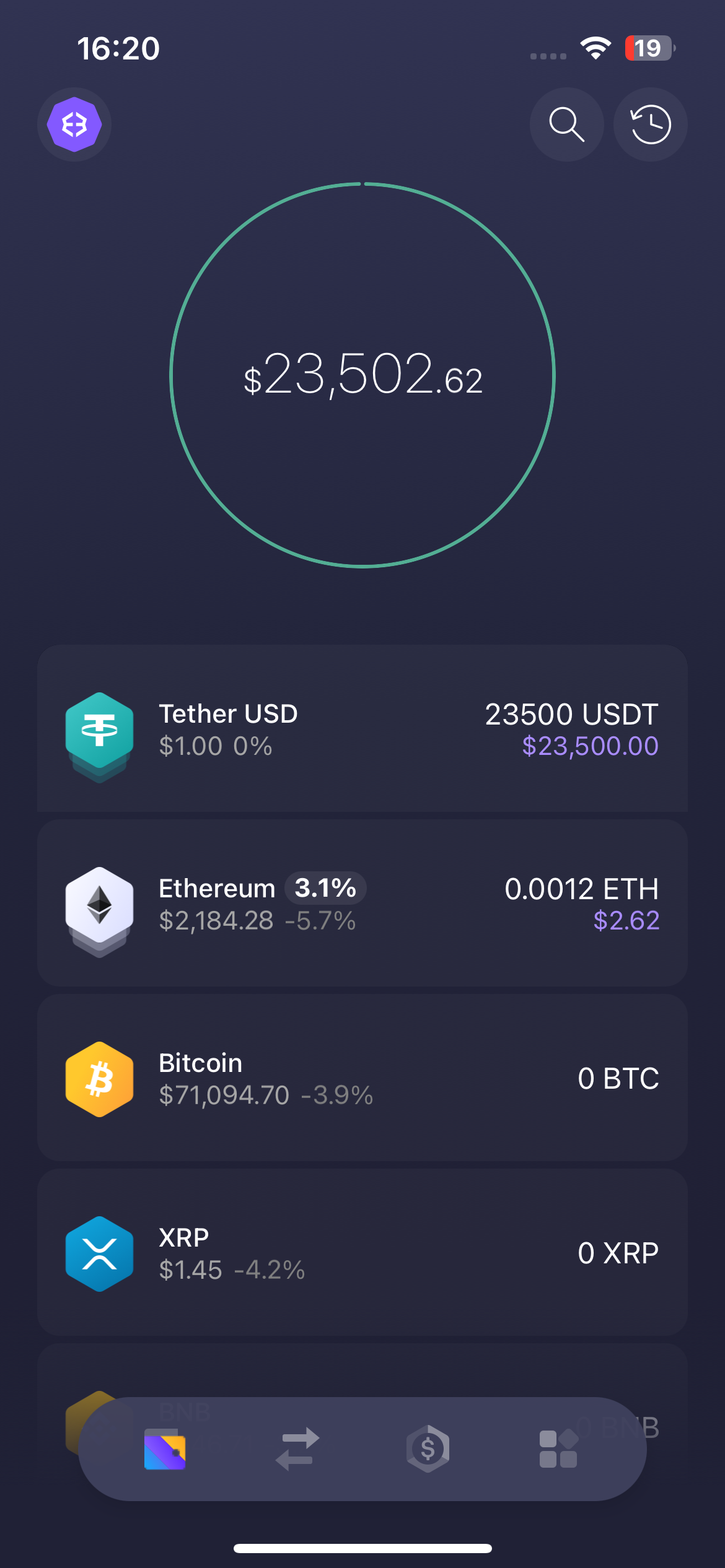
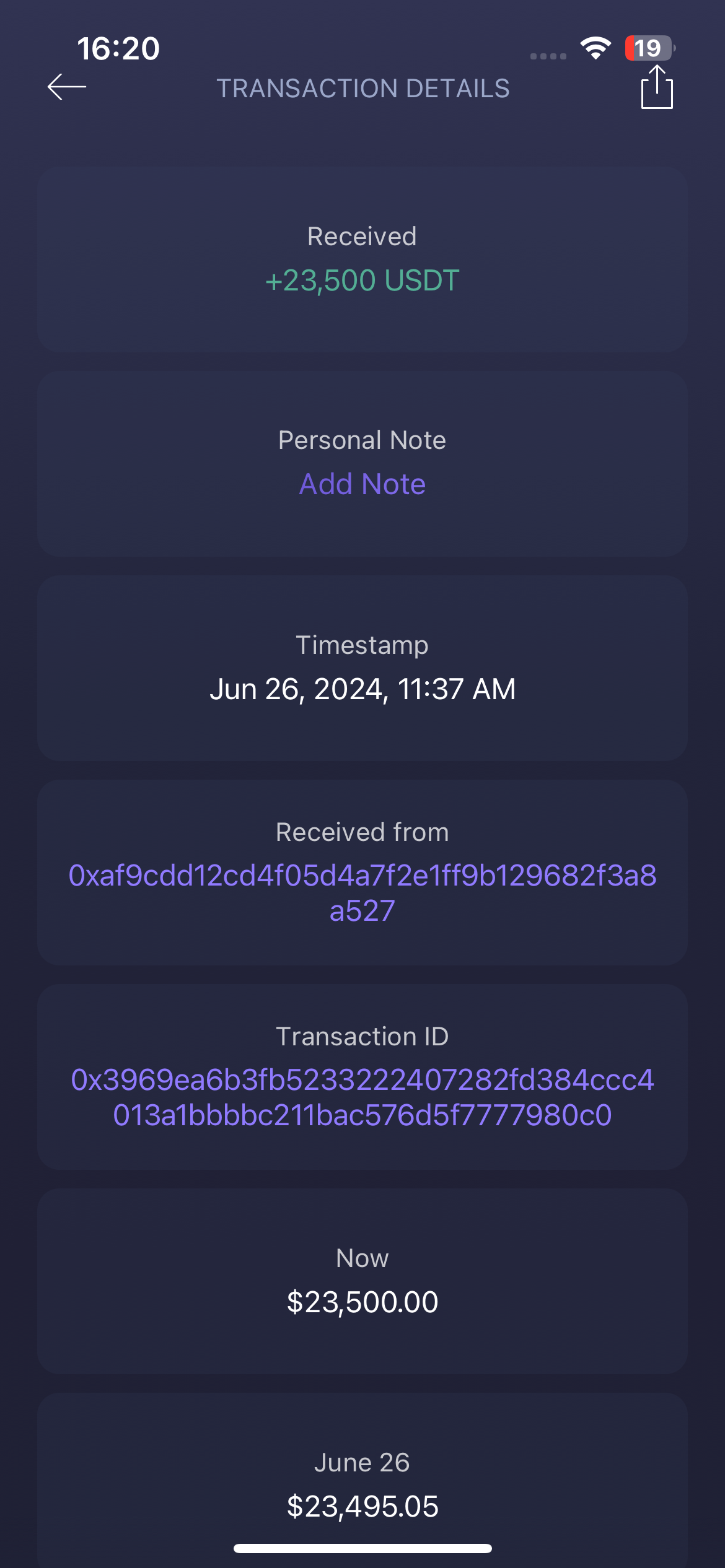
Identified and demonstrated a critical exception-handling flaw in a major
ERC-20 wallet provider. By sending a real ERC-20 transfer with an artificially low gas fee, the wallet
showed the amount as received before the transaction confirmed — then a drop-and-replace
attack silently cancelled it, yet the wallet still marked it as confirmed. Disclosed
responsibly.
ERC-20
On-chain exploit
2
Transactions used
18d
Time to patch
✓
Responsibly disclosed
The Vulnerability
A real transaction that looked confirmed before it was
ERC-20 transfers on Ethereum require a gas fee — the higher the fee, the faster miners pick up the
transaction. By sending a legitimate ERC-20 transfer via Web3 APIs with an artificially low gas
price, the transaction entered the mempool but took an extremely long time to actually be mined
and confirmed.
The wallet provider's critical mistake: it displayed the pending amount in the recipient's
balance immediately — before the transaction was confirmed. To the recipient, the funds had
arrived. In reality, the transaction could still fail, be stuck, or be replaced.
The Drop-and-Replace Attack
Taking it further with nonce replacement
Ethereum transactions include a nonce — a
sequential counter per sender. Broadcasting a second transaction with the same nonce but a higher
gas fee causes miners to drop the original and process the replacement instead. This is the
standard "replace-by-fee" (RBF) mechanism.
By sending the replacement transaction — a tiny or zero-value transfer — the large original was
silently cancelled on-chain. The wallet provider did not handle this exception. Instead of
updating the status to "Dropped" or "Replaced", it left the original transaction marked as confirmed. The
recipient's wallet showed the full amount as successfully received. The funds were never transferred.
Technical Analysis
Two bugs, one working exploit
Bug 01
Optimistic Balance Display
The wallet credited the recipient's displayed balance as soon as a pending ERC-20 transfer
was detected in the mempool — before any on-chain confirmation. This is the first and fundamental
flaw that makes the attack possible.
Bug 02
Unhandled Drop-and-Replace Exception
When the original transaction was replaced via a higher-gas same-nonce broadcast, the
wallet's transaction status listener did not catch the replaced
or dropped state — leaving the original shown as "Confirmed".
Attack Sequence
Low Gas → Show → Replace → Confirmed
① Send large ERC-20 tx with very low gas → ② Recipient's wallet shows funds as arrived → ③
Broadcast same-nonce tx with high gas for tiny amount → ④ Original is dropped on-chain, wallet shows
it as confirmed anyway.
Disclosure
Responsible Process
Full PoC written in Web3.js — both transactions scripted, reproducible on mainnet. Full
technical report sent to the provider's security team. No public disclosure until patched — 18 days
after report.